Amazing Limited Time Offer !
Call : +91 7771811100, +91 7771811104
Accurate Surveying and Construction



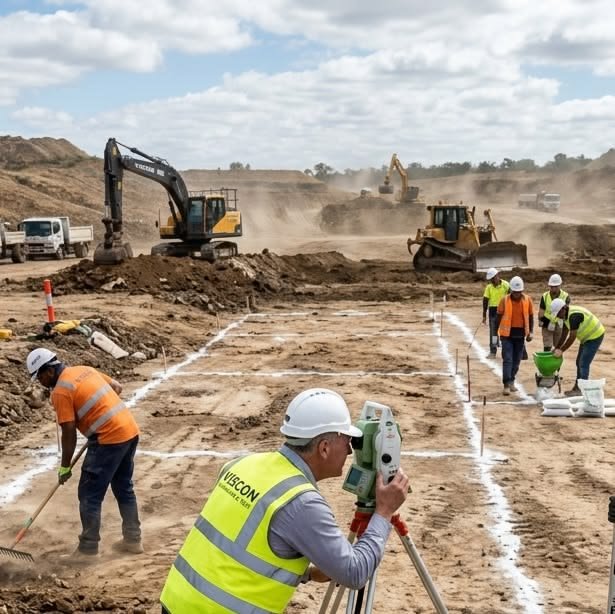
In today’s construction and infrastructural projects, it is very important to have exact data about the things present beneath the earth surface. Pipeline, electrical cable, drainage system, old foundations, cavities, and other underground constructions could cause many problems while excavating, drilling, and constructing foundation. The GPR Survey in Jharkhand will help you in having an effective investigation of the subsurface conditions.
The GPR Technology uses electromagnetic pulses to detect anomalies below the surface without having to dig much. The GPR Technology helps in gathering subsurface information for various construction, industrial, mining, road, utility, and infrastructure projects.
GPR means Ground Penetrating Radar. This is an earth science method that uses radio waves of a certain frequency range to see underground structures. A ground-penetrating radar survey is performed without the need to dig, bore, and destroy concrete; thus, your place is left untouched, but the results are still obtained.
The apparatus emits pulses of electromagnetic radiation into the ground. After they encounter a buried object or interface of different materials like a pipe, voids, rebar, or other soil layers, part of the waves is reflected and received by the antenna.
The procedure is easy and takes expertise:
Antennas at different frequencies work for various purposes. High-frequency antennas provide more details, and they are suitable for concrete inspection, whereas low-frequency antennas reach deep down and are suitable for geology.
Jharkhand is characterized by diverse subsoil conditions. The existence of rocky land, lateritic soils, coal deposits, and dense urban fabric makes it dangerous to carry out any blind digging. A GPR survey in Jharkhand will help in the avoidance of these dangers through provision of adequate information about the ground before any action is taken.
Some of the main reasons why a GPR survey is important in Jharkhand include:
1. Detection of Underground Utilities
One of the most prevalent applications is the detection of underground utilities. GPR can detect metallic as well as non-metallic underground utilities like PVC, concrete pipes that cannot be detected by metal detectors. Detection of underground utilities avoids any kind of hits, saves costs, and makes working personnel safer. It becomes particularly useful prior to trenching, boring, or digging.
2. Structural Assessment and Concrete Scanning
GPR can detect the presence of rebars, conduits, post-tension cables, and voids in slabs, walls, and bridges.
3. Evaluation of Roads and Pavements
Road agencies conduct GPR surveys to estimate pavement layers thickness, detect moisture content, and hidden defects.
4. Detection of Voids and Cavities
GPR detects cavities and sinkholes in the area close to the mining regions prior to the appearance of collapse.
5. Geophysical and Archaeological Investigations
GPR provides information about soil layer structure, depth to bedrock, and water table. It can be also applied to the detection of hidden structures without any disturbance of cultural heritage.
There is no such thing as universal technology. The type of soil and its water content play the biggest role in determining how deep the signal will penetrate. In clay soils, which are highly conductive, the signal will be absorbed by the soil and will not be able to penetrate deep down, while sandy and rocky soils allow the deeper penetration of the signal. This requires the selection of appropriate antenna by an experienced technician.
This process guarantees accurate results from any ground penetrating radar survey.
The cost will depend on the area to be surveyed, depth required, survey site accessibility, targets involved, and report details. It is definitely worth spending money on initial detection of any underground utilities, rather than fixing a broken gas pipeline or fibre optic cables. Ask for a detailed quotation.
When it comes to building roads, laying pipelines, inspecting bridges, or planning plants, it is important to know what is under the surface so as to protect yourself from unexpected expenses, delays, and risks. The professional GPR Survey in Jharkhand ensures you that you will get reliable non-invasive information and be able to dig, drill, and construct without any worries. Using the services of experienced companies that provide GPR surveys, you will receive accurate data and proper interpretation of the information.
Want to make your construction project successful? Get in touch with the specialists at asurvey.in and plan your project. Make an appointment for your GPR Survey in Jharkhand now.